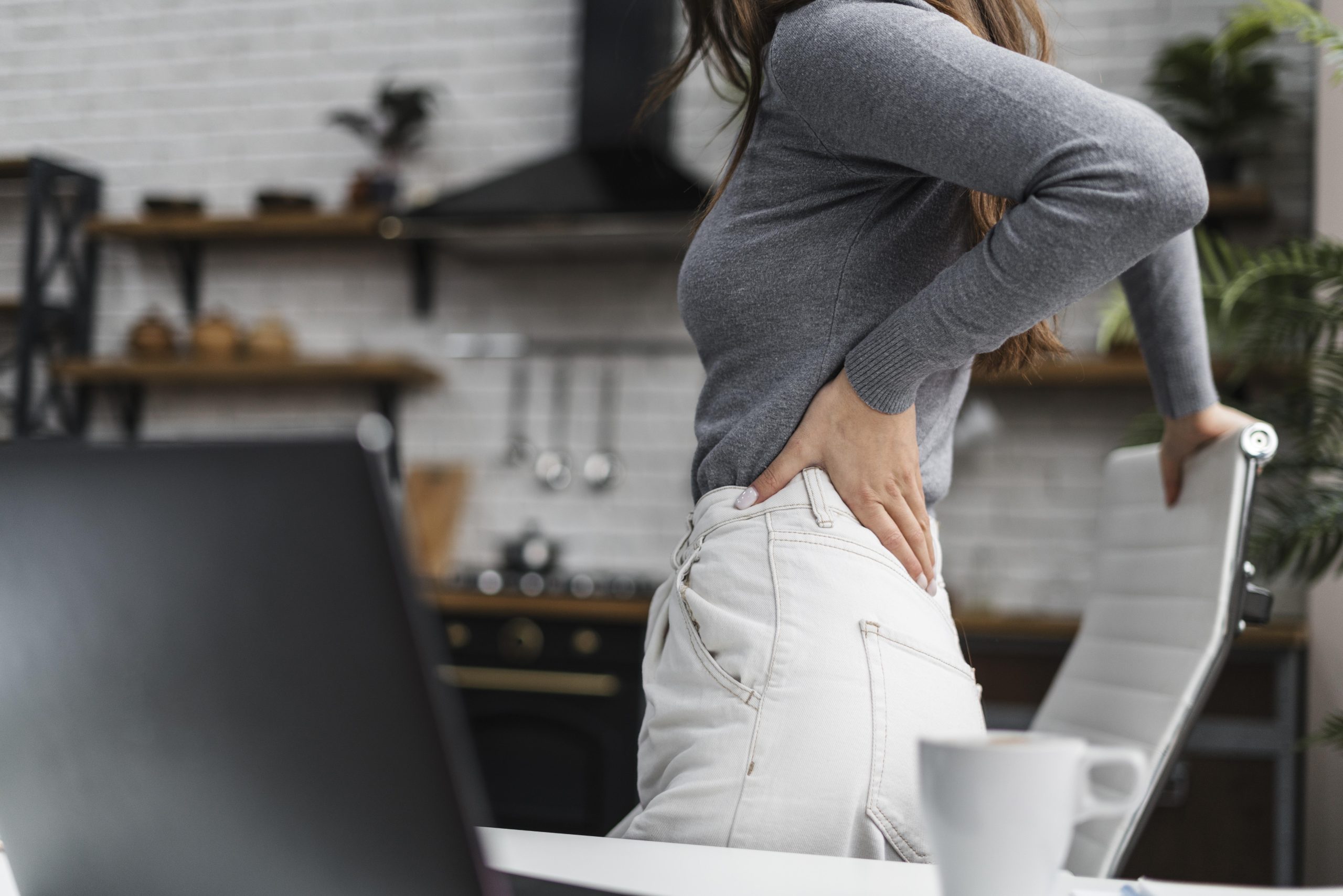
Lower back pain from sitting too long is one of the most common complaints we hear from patients across Lancaster County — from office workers in downtown Lancaster to commuters heading in from Ephrata or Lititz. Whether you work at a desk, drive for a living, or just spend a lot of time seated, back pain that builds over the day can disrupt everything from your posture to your sleep.
At
Lancaster Orthopedic Group, in partnership with
Penn State Health, our spine specialists and sports medicine physicians work together to help patients understand
why back pain happens and how to relieve it — with or without surgery.
🚨 Why Does My Lower Back Hurt When I Sit?
If your lower back hurts after sitting — or when you get up from a chair — you're not alone. Here are the most common causes we see in our Lancaster and Ephrata clinics:
1. Poor Posture or Prolonged Sitting
Slouching or hunching over a desk places constant pressure on the lumbar spine (the lower back). This weakens the muscles that support your back and can lead to inflammation, stiffness, and pain.
Red Flag: If your back pain improves when you stand or walk, but worsens after sitting, posture may be the root cause.
2. Muscle Strain or Imbalance
Weak core muscles or tight hip flexors can pull your pelvis out of alignment, straining the muscles in your lower back. This is common in people who sit for hours at a time without stretching or strengthening exercises.
3. Herniated or Bulging Discs
Sitting increases pressure on the spinal discs. Over time, this can lead to disc damage — especially in the L4–L5 or L5–S1 regions. If you feel sharp or shooting pain that radiates down one leg, a disc issue could be involved.
4. Sciatica
Compression or irritation of the sciatic nerve can lead to radiating pain, numbness, or tingling down one leg. It’s often worse when sitting and may feel better when standing or walking.
5. Degenerative Disc Disease or Arthritis
As we age, the discs and joints in the spine can wear down, leading to chronic lower back pain that flares with long periods of sitting or inactivity.
🧠 How to Tell If It’s Muscle or Something More Serious
Wondering if your pain is just muscular — or something more serious like a disc issue?
- Muscle pain is usually dull, achy, and stays localized. It improves with heat, stretching, or massage.
- Disc pain or nerve involvement often causes sharp, shooting, or radiating pain — especially if it moves into your leg or foot.
Still not sure? The best way to know is to get a professional evaluation. Our
spine and sports medicine team can use imaging and physical assessments to identify the true source of your pain.
✅ How to Fix Lower Back Pain from Sitting
If you’re experiencing throbbing or aching pain in your lower back after sitting, here are doctor-recommended ways to relieve it:
1. Stretch Every 30–60 Minutes
Set a reminder to stand, walk, or stretch. Here are two back-friendly stretches:
- Seated Spinal Twist: Sit tall, place one hand on the opposite knee, and gently twist. Hold 15 seconds per side.
- Kneeling Hip Flexor Stretch: Helps counteract tight hip flexors. Kneel on one leg with the other foot forward, and gently shift your weight forward until you feel a stretch.
2. Use Proper Sitting Posture
- Keep your feet flat on the floor
- Knees at 90 degrees
- Sit tall with your shoulders relaxed
- Use a small lumbar pillow or rolled towel for support
3. Try Heat or Ice Therapy
- Use a warm compress to loosen tight muscles
- Try an ice pack for inflammation if your pain is sharp or after long periods of sitting
4. Strengthen Your Core
Strong abs and glutes support your spine. Incorporate exercises like:
Our physical therapists in Lancaster and Ephrata can create a custom plan based on your pain and fitness level.
5. See a Spine or Sports Medicine Specialist
If pain persists or interferes with daily life, don’t wait. Early evaluation helps prevent worsening conditions and gets you on the right treatment path faster.
🏥 Why Lancaster Orthopedic Group + Penn State Health?
At
Lancaster Orthopedic Group, we proudly partner with
Penn State Health to bring advanced spine and musculoskeletal care to the communities of Lancaster County — including Ephrata, Lititz, Mount Joy, and beyond.
Our integrated approach combines:
- Orthopedic spine care
- Sports medicine
- Physical therapy
- Pain management
- Imaging and diagnostics
All under one roof.
Whether your pain is from posture, injury, or a degenerative condition, we’ll build a personalized plan that fits your lifestyle and gets you moving again — without unnecessary procedures.
👨⚕️ When to See a Doctor for Lower Back Pain from Sitting
You should book an appointment if you experience:
- Pain that lasts longer than two weeks
- Numbness, tingling, or weakness in your legs
- Pain that worsens at night or with rest
- Difficulty standing up or walking after sitting
- New bladder or bowel control issues (seek emergency care)
💬 Final Thoughts: Don’t Let Sitting Sideline You
Lower back pain from sitting is common — but it’s not something you have to live with. Whether you’re struggling to get through the workday or missing out on your favorite activities, we’re here to help.
Call 717-560-4200 to book an appointment with our spine or sports medicine specialists, or request a visit at our Lancaster or Ephrata office.
Have questions as you prepare for your joint replacement surgery? Call our office